

How to Safely Maintain an Outdoor Chiminea
Outdoor chimineas can add warmth and ambience to your patio or backyard. They're also better suited for smaller areas than traditional fire pits.
Chimineas must be placed on a fire-resistant surface like a patio constructed of bricks, concrete, or stones. Chimineas shouldn't be positioned close to eaves or any overhead cover that could catch fire.
Types
A chiminea, also known as an outdoor firepit is a type of firepit that has an elongated chimney and a the hood that lets smoke flow upwards rather than out. Chimineas are made of clay or metal and come in a variety of styles that complement any garden. Chimineas can also be designed to cook on the stove and can be used to make delicious homemade meals or enjoy outdoor snacks while talking with your family and friends.
There are many types of wood that can be burned in the chiminea. Oak is a well-known choice because it produces a lot of heat and burns very slow, but other hardwoods can also be employed in your chiminea. Apple is a great choice since it burns slowly, has pleasant aromas and is a versatile choice. Other options include cedar, hickory, mesquite and pinon wood which smell great and provide a warm smoke.
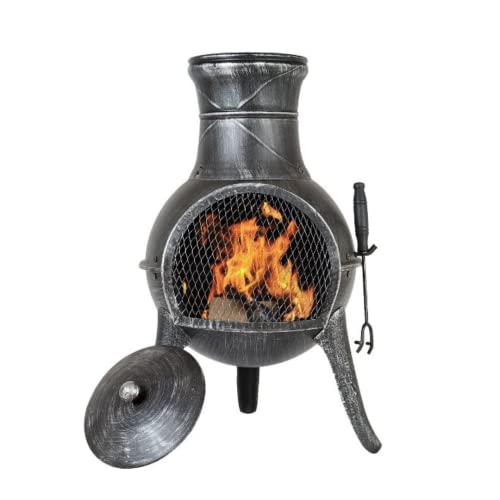
Metal chimineas may provide more design options than traditional terra-cotta models and are less susceptible to damage by rain. However, they may be susceptible to corrosion and are usually heavier than clay models. Some metal chimineas are coated with rust-resistant paint that can help prevent them from deteriorating. Others are made of cast iron, which provides the classic rustic look but may be the heaviest of all choices.
It is important to prepare your chiminea prior to lighting the fire. This means laying the layer of sand or gravel at the bottom. This will stop the ash from spilling over and damaging the base. Add a few pieces of wood and some kindling. When the paper begins to burn, this triggers the creation of a draft, which will light the rest of the kindling and begin the fire in your chiminea.
Although a chiminea may be placed in the center of your garden, it's best to put it away from any structures or plants. You should leave plenty of space around it in case it tipping over or becomes too hot. It's also important to cover the chimney with a metal mesh to prevent ash and sparks from falling into flammable materials.
Materials
If you decide to go with clay or cast iron, your chiminea should be constructed from a sturdy material that is able to be able to withstand the heat. You'll need to ensure that your chiminea fits your space, and can be easily moved and stored. It is crucial to be aware of the amount of smoke your fireplace produces because too much smoke can be a nuisance to neighbours.
The kind of wood you use in your chiminea is vital and will determine the degree of heat it will get and how long it will last. Hardwoods like apple, cherry and walnut are the preferred choice of serious chimenea owners over softwoods. Hardwoods generate more heat and burn more efficiently than softwoods.
While some may prefer the appearance of a traditional clay chiminea, there are many modern and contemporary cast aluminum chimineas with sleek lines and geometric designs. These models are lighter and can be used with both wood and gas fires. They are a great option for outdoor spaces.
Both clay and cast iron chimineas require careful maintenance, including cleaning and re-seasoning every now and then. Always place them on a safe solid foundation such as terracotta tile or concrete, or even leveled sand. Avoid water around the chiminea since it could damage metal and crack clay or terracotta.
fireplacesandstoves requires an initial seasoning process, where you light a few small fires and allow them to cool down before you can start another. This will build up the resistance to heat in your chiminea and give it an extended life span and greater temperature tolerance. If you do not take this step, your chiminea might crack or break on its first use. Covering your chiminea in the winter or when you will not use it often is an excellent idea. It will shield it from snow and rain which could cause damage. If you're worried about the safety and performance of your chiminea, look into a model with a spark-resistance device. This will help prevent dangerous sparks.
Design
Chimineas can be a beautiful and versatile outdoor fire feature. It is essential to remember that, as any other fireplace that burns wood is required to be maintained properly to avoid damage and ensure the safety of the people who use the flames. Utilizing protective covers and the correct cleaning methods will make a big difference in the lifespan of your fireplace.
Chimineas are available in different sizes shapes, shapes and materials to suit a range functional and aesthetic requirements. Terracotta clay chimineas are classic and offer a classic, Mexican-inspired design. Metal chimineas provide a sleeker, more contemporary appearance and are more resistant to damage.
The position of your chiminea is important. The chiminea should be set in an open area to allow airflow. This will increase efficiency and create a cozy atmosphere around the fire. Additionally, placing it away from the patio cover and overhangs prevents the buildup of smoke that could cause damage to the structures.
Consider installing a mesh screening over the chimney of your chiminea in order to reduce the amount of sparks that are released into the air. A simple solution is to you can use a piece chicken wire or small-holed fencing that is bent slightly to create an obstruction. You can also purchase ceramic tile screens designed to catch sparks, and then lower them into the stack.
Although it might be tempting to use accelerants such as lighter fluid or gasoline to start a fire these chemicals could actually harm your chiminea by adding excessive heat too quickly. This could cause the walls of your chiminea's walls to crack or break up. At worst this could lead to injury and at best the chiminea to be destroyed. In addition, accelerants can also cause your chiminea to explode, which is incredibly dangerous for anyone nearby.
It is recommended to spruce up your chiminea by slowly increasing the size of the fires you light in it over three to four small burns. This will help the chiminea to cure, which will result in less cracking and less risk of explosions. It is also best to select only dry, well-seasoned hardwood for burning in your chiminea.
Safety
Chimineas are an excellent option to have a relaxing outdoor fire with your family and friends. As with any flame outdoors they could pose danger to both property and people. There are a few precautions you can take to ensure you and your loved ones get to enjoy the warmth of your chiminea without the fear of a sudden fire or accident.
To ensure the safety of your chiminea It is best to place it on a nonflammable surface like bricks, pavers, or cement. This will prevent the chiminea being thrown over and decrease the chances of it igniting anything nearby.
Use only dry and seasoned wood for your Chiminea. Wet wood will not burn as well and can cause the chiminea's flames to go up or catch fire. A spark arrestor for fireplaces is a must. This can be as simple the bent piece of chicken wire over the top of the chimney stack, or as elaborate as a screen chimney insert. A spark arrestor will prevent sparks from escaping out of the stack and into your neighbors yard or onto flammable materials such as grass and bushes.
Lastly, be sure to keep your chiminea at a minimum of 30 feet away from any fire-prone, including buildings, trees, sheds, clothes lines and awnings. This will help to avoid an accidental fire that may damage your property or home.
Once your chiminea has been put in place and you have completed all the steps previously mentioned, it's time to begin enjoying the warm flames and radiant warmth! Make sure to start small fires using only kindling and slowly add more wood. Keep a set of fireplace tools on hand to add logs, and stoke the flame so that you don't have to touch it with your hands. It's also an excellent idea to wear long barbecue tongs while working with the hot grate or coals, as well as a pair of fire gloves. This will help you handle the chiminea without burning your hands.